
- Home
- Feng Shui for Renovation: When to Bring in a Consultant
Feng Shui for Renovation: When to Bring in a Consultant
Planning a home renovation is exciting, but it is also the best time to think about Feng Shui. If you are renovating an HDB flat or condominium in Singapore, bringing in a consultant before renovation work begins can help you avoid costly changes later. A house feng shui consultation allows us to review key elements such as the home’s facing direction, main door position, kitchen layout, and stove placement while everything is still in the planning stage. Feng Shui is not a replacement for the ideas of your interior designer, but rather an additional input to help you create a home that is practical and follows the principles of placement that have been developed over the centuries.
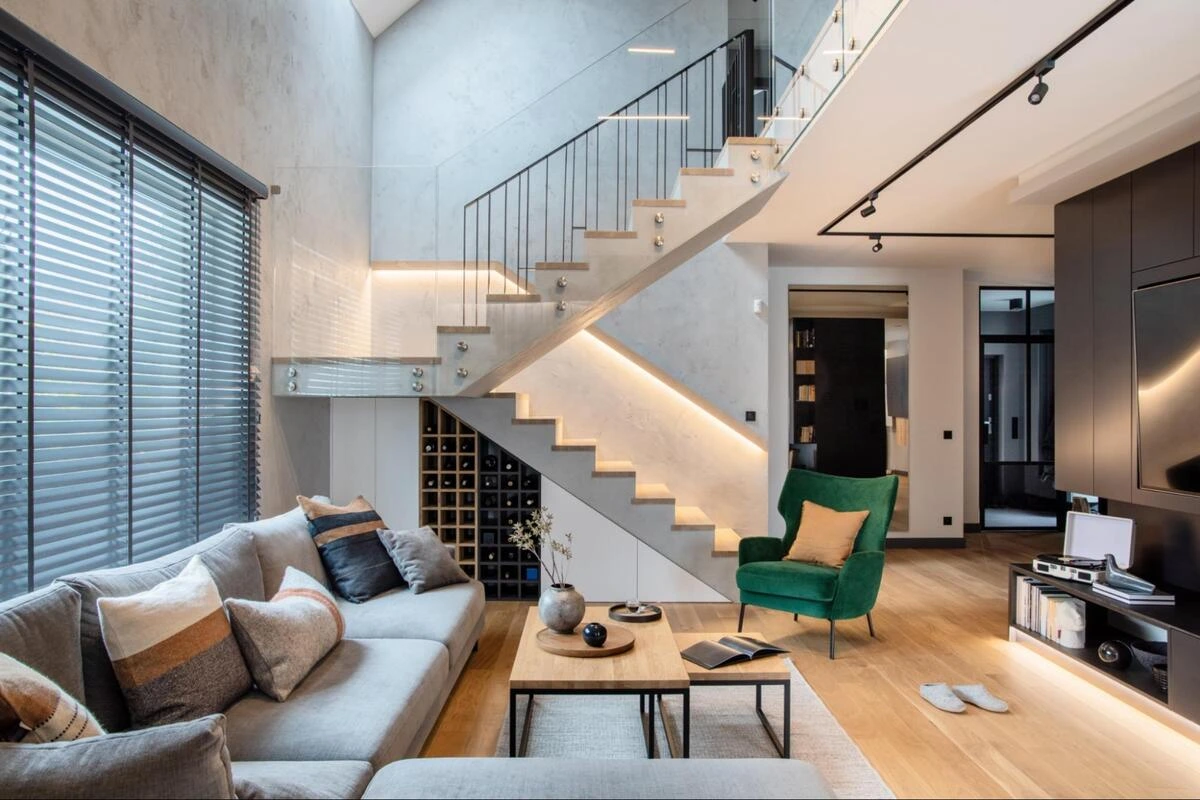
When Should You Get a Feng Shui Consultation During Renovation?
The ideal time for a house feng shui consultation is before renovation work begins or before confirming your interior design plans. Reviewing the layout early allows potential issues to be identified while changes are still easy and affordable to make. Once hacking, plumbing, and electrical works have started, modifying major features often becomes more expensive and disruptive.
Why Timing Matters During a Home Renovation
Many homeowners only think about Feng Shui after their renovation is complete. By then, important decisions such as wall positions, kitchen layouts, and entrance designs have already been finalised.
From our experience, the planning stage offers the greatest flexibility. It allows us to review the proposed layout together with your renovation plans and suggest practical adjustments before construction begins.
This approach is particularly useful for:
- New HDB homeowners
- Condominium owners planning renovations
- Families carrying out major home upgrades
- Homeowners working with an interior designer
Making small layout decisions early is usually much simpler than changing completed renovation work.
Feng Shui Works Alongside Your Interior Designer
A common misconception is that Feng Shui and interior design compete with each other. In reality, they serve different purposes.
An interior designer focuses on:
- Space planning
- Functionality
- Storage solutions
- Material selection
- Interior aesthetics
A Feng Shui consultant looks at:
- Energy flow throughout the home
- Main entrance positioning
- Directional influences
- Functional placement based on traditional principles
These two approaches can complement each other well. Many times it is possible to add Feng Shui suggestions to the renovation plan without changing the style that was wanted instead of changing the overall design idea.
For homeowners considering feng shui renovation, collaboration between both professionals often leads to smoother planning.
Key Areas to Review Before Renovation Starts
Some parts of a home are much easier to assess before renovation work begins.
1. Main Door Position
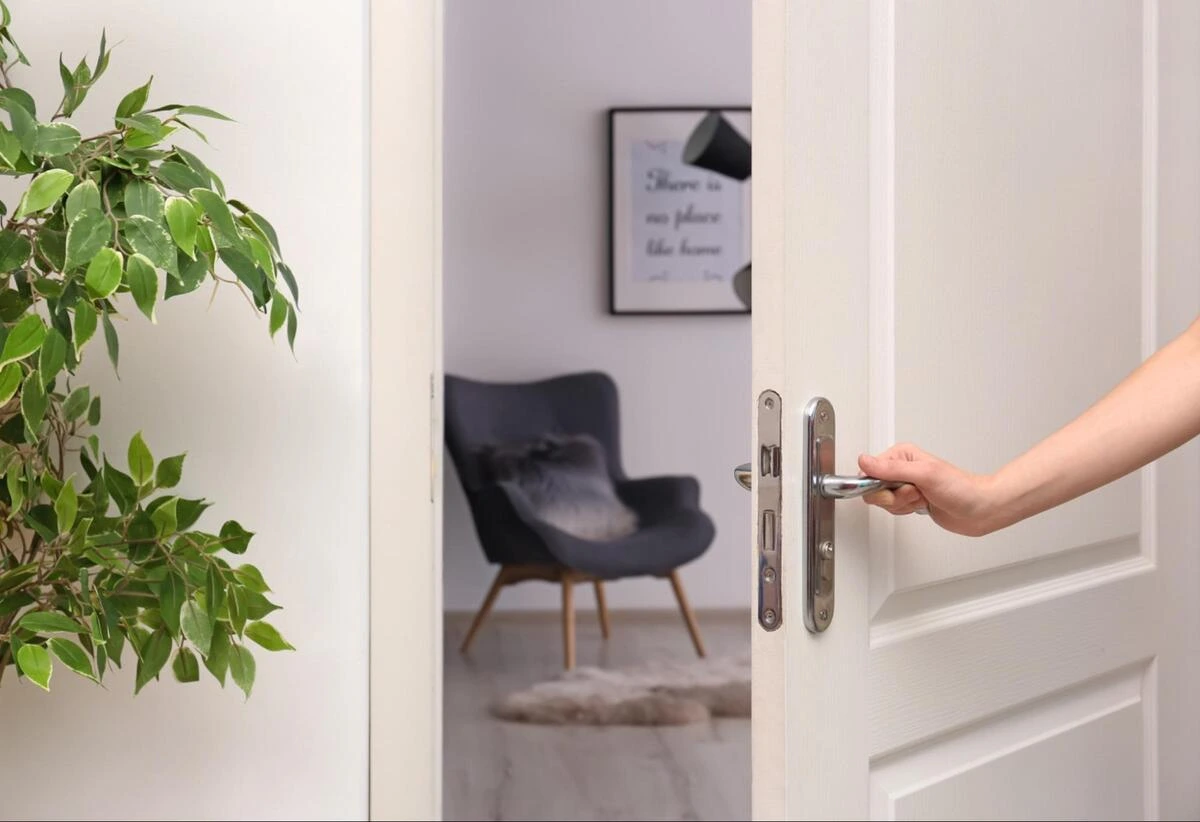
The entrance is considered one of the most important parts of a home because it is where energy enters the property.
During planning, we review:
- Direction of the entrance
- Clearance around the doorway
- Visibility when entering
- Flow into the living area
If adjustments are needed, they are generally easier to incorporate before carpentry and flooring begin.
2. Kitchen and Stove Placement
The kitchen is another area that deserves careful planning. When reviewing the layout, we consider:
- Stove position
- Relationship between stove and sink
- Kitchen workflow
- Available ventilation
Moving gas or plumbing connections after a renovation can get expensive, so this is really something to talk about during the planning stage.
3. Facing Direction of the Home

The facing direction is one of the traditional considerations used during a house feng shui consultation. Understanding the home’s orientation helps guide recommendations for room usage, furniture placement, and the overall arrangement of spaces.
Because orientation cannot be changed after purchase, it is useful to understand how it may influence renovation planning before work starts.
Why Early Planning Can Save Time and Money
One of the biggest advantages of reviewing Feng Shui before renovation is avoiding unnecessary rework.
For example, changing any of the following after construction has started may involve additional costs:
- Hacking completed walls
- Relocating electrical points
- Moving plumbing connections
- Rebuilding kitchen cabinets
- Adjusting custom carpentry
Reviewing these areas early allows everyone involved in the renovation to work from the same plan. This is one reason why many homeowners choose to include Feng Shui as part of their renovation planning rather than waiting until the project is finished.
Renovation Checklist Before Work Begins
Before confirming your renovation plans, consider the following checklist:
| Area | Why It Should Be Reviewed Early |
|---|---|
| Main entrance | Difficult to modify after renovation |
| Kitchen layout | Plumbing and gas points are costly to relocate |
| Stove position | Easier to optimise before installation |
| Room functions | Helps avoid unnecessary redesign |
| Furniture layout | Supports better space planning |
A little preparation before renovation often leads to fewer surprises during construction.
Is Every Feng Shui Recommendation a Major Change?
Not at all. One concern homeowners often have is that Feng Shui will require major structural changes. In many situations, only minor adjustments are recommended.
These may include:
- Repositioning furniture
- Adjusting room functions
- Improving circulation
- Refining entrance arrangements
- Planning layouts more efficiently
Every home is different so any advice should be relative to that home’s unique characteristics, not general advice.
It is also worth noting that Feng Shui is based on traditional placement principles. Many homeowners appreciate these practices but they should be viewed as a part of well-thought-out planning and not as an assurance of specific results.
Plan Ahead for a Smoother Renovation
There are many important decisions to make when you are renovating a home, and if you take the time to think about Feng Shui early on, it will avoid unnecessary changes once the construction is underway. Homeowners can examine factors like the entrance, kitchen, stove placement and orientation of the home before beginning work, giving them more informed planning decisions when they are working with their interior designer. You may also want to check out our Home Feng Shui page for further guidance on how to create a balanced home environment.
Siiri Geomancy offers personalised house feng shui consultation to homeowners who plan to renovate in every part of Singapore. We will work hand-in-hand with your interior designer to incorporate traditional Feng Shui principles into your renovation project. We offer a practical, collaborative, and customised approach to your renovation plans.
Frequently Asked Questions
1. When is the best time to arrange a Feng Shui consultation?
Ideally, before renovation begins or before finalising your interior design drawings.
2. Can Feng Shui work together with my interior designer?
Yes. Feng Shui complements interior design by providing additional planning considerations without replacing your designer’s expertise.
3. Is Feng Shui only useful for major renovations?
No. Even smaller renovation projects can benefit from reviewing layouts before work starts.
4. Is Feng Shui suitable for HDB flats and condominiums?
Yes. Many homeowners seek feng shui services in singapore when renovating HDB flats, condominiums, and landed homes.
5. What if my renovation has already started?
It’s best to plan early, but depending on the stage of renovation, useful recommendations can be made.